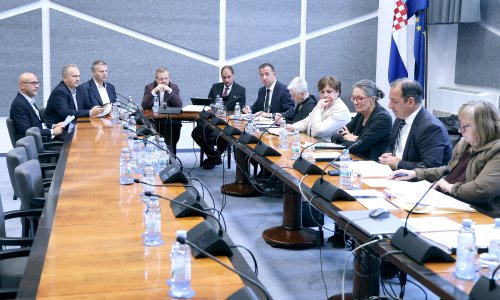

The Parliament's Media Committee on Tuesday discussed the situation in the media, focusing on the situation at the national broadcaster HRT.
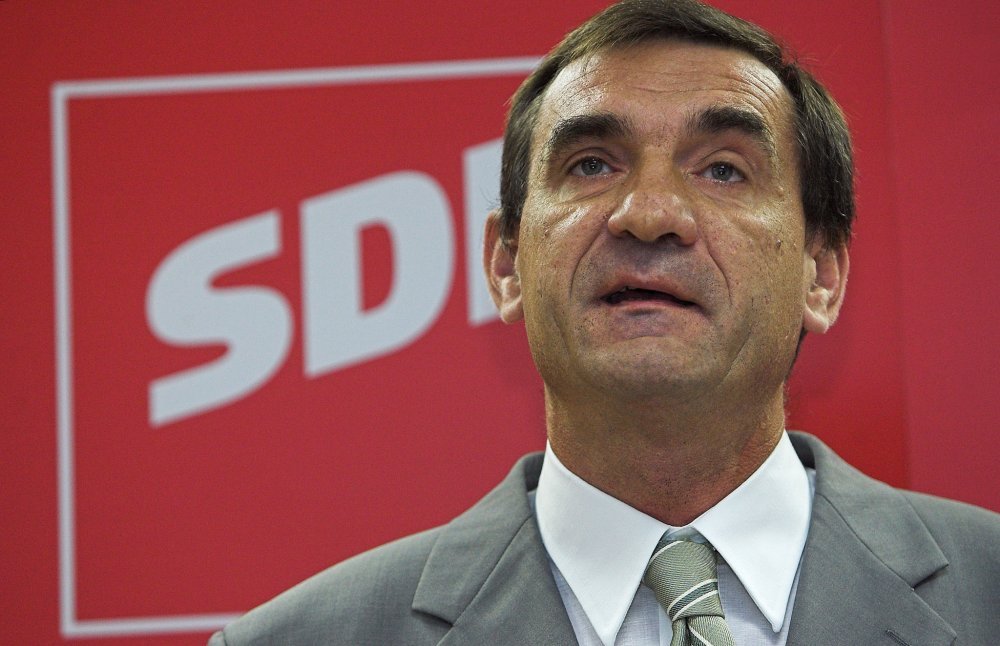
Committee chairman Nenad Stazic of the Social Democratic Party accused the ruling coalition of "fomenting chaos and attempting a hostile takeover of the HRT."
Stazic said the ruling coalition was obstructing the election of the last, 11th member of the HRT Programmes Council, thus preventing the election of HRT director-general, in order to question the existing regulations and have new ones adopted to enable the government to have direct influence on the public broadcaster's top official.
"It seems to me that the chaos had been programmed by failing to elect the last member of the HRT Programmes Council and by maintaining the status quo at the HRT".
"This has encouraged the majority to continue fomenting chaos in the Programmes Council in order to challenge the existing law and use it as an excuse to adopt a new one, under which the HRT director-general would be elected by the Supervisory Board, which would be appointed by the parliament, at the government's proposal," said Stazic.
A state secretary at the Ministry of Culture, Nina Obuljen, explained that the drawing up of a bill on the HRT was nearing completion and that the bill would probably be made public on Thursday, after which a month-long public debate would ensue.
She said that the current law on the HRT was being amended to adjust it to EU rules on government grants, under which the HRT would have to establish a special body to supervise the spending of government grants.
Members of the parliamentary majority sitting on the Committee dismissed Stazic's allegations about their obstructing the election of the 11th member of the HRT Programmes Council, but added that they did not want to elect a candidate that could be in conflict of interest.
The president of the national journalists' association HND, Zdenko Duka, warned about a decline in newspaper circulations. He said that this was forcing editors to look for a way out by trivialising media content which he said had caused the decline in the first place.
He went on to say that publishers were often engaging in types of business that had nothing to do with journalism, and that the price for that was being paid by journalists.
Duka also said that publishers were not respecting regulations obliging editorial boards to adopt statutes, and pointed to non-transparent data on media ownership, circulations and main advertisers.
"There is a visible division of the market between EPH and Styria. It is obvious that they each hold more than 40 percent of the dailies market," he said.