
At its session on Wednesday, the government sent a bill of amendments to the Law on the Rights of Croatian Homeland War Veterans and Their Families into parliamentary procedure. The amendments should facilitate the publishing of the Homeland War Veterans' Register.
The Register consists of a general and specific section and supplementary data. The general section will note the name, surname and name of one parent, date, place and country of birth, gender, address and place of residence, number of days of participation in the 1991-1995 Homeland War, combat or non-combat service, attachment to the Ministry of the Interior or the Ministry of Defence, and veteran status (recruit or volunteer).
The specific section contains the name of the unit and the period of participation in the Homeland War, while the supplementary data is of a technical nature to facilitate data processing between government bodies and legal entities.
On-line information will note the name, name of one parent, surname, year and place of birth, total number of days in the Homeland War, combat or non-combat service, and whether the veteran belonged to police or military forces.
Other data may be made accessible subject to written approval by the veteran concerned.
Prime Minister Zoran Milanovic said that publishing the Register will not expose or jeopardise anyone and "sensitive information will be kept confidential".
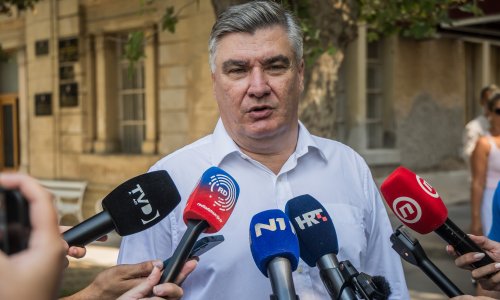
After the cabinet meeting, Veterans Minister Predrag Matic told journalists that this was one of the pre-election promises by the ruling coalition and that the Register should be released by Christmas.
"If a veteran approves, we can publish his complete war record," Matic said, adding that he, along with Defence Minister Ante Kotromanovic and Home Affairs Minister Ranko Ostojic, would present their war records at the official presentation of the Register.
The amendments will also facilitate other changes to eligibility for certain rights, one of which is widow's pension for veterans' widows aged 45-50 who are unemployed and in a difficult economic situation.
Widows will be able to enter into a new marriage or de facto relationship without losing their widow's pension however, these pensions cannot be inherited by their new spouses or children in the new relationship.
The law also prescribes that the graves of veterans who do not have successors will be maintained by the state.