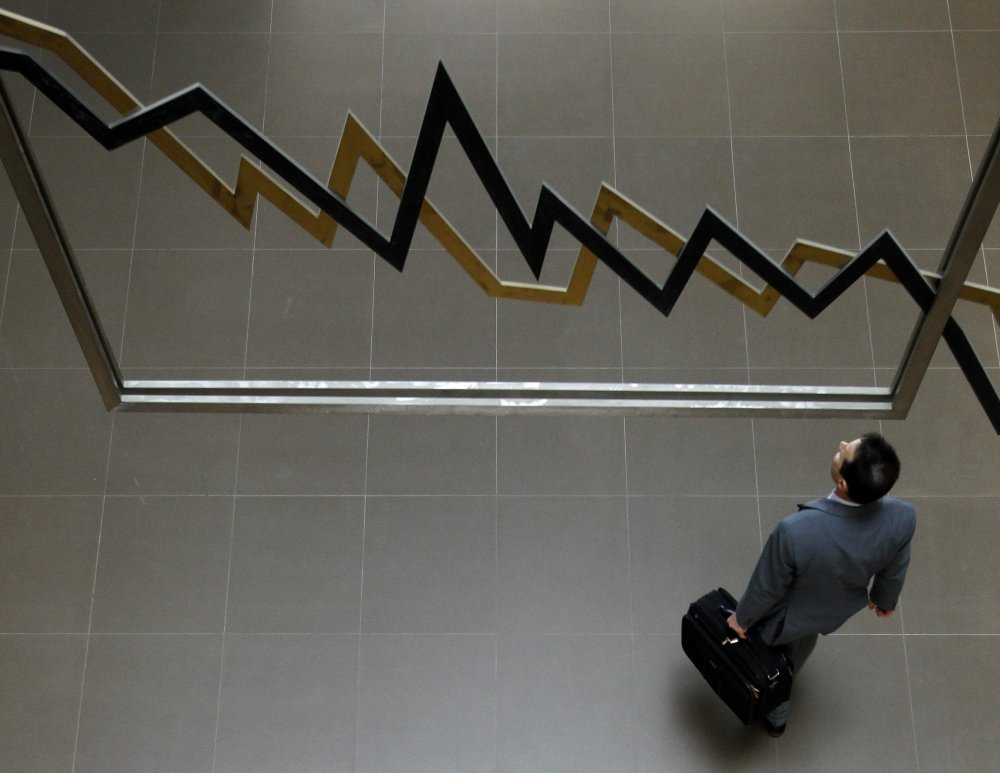

The Croatian economy could rise 1.6 per cent this year and 2.7 per cent in 2012, the UN said on Tuesday in its annual "World Economic Situation and Prospects 2011" report.
According to the UN's incomplete predictions, the Croatian economy contracted 1.7 per cent last year, while other transition countries in Southeast Europe grew 0.1 per cent.
Alongside Croatia, this group of countries includes Albania, Bosnia and Herzegovina, Montenegro, Serbia, and the Former Yugoslav Republic of Macedonia. The region is expected to generate an economic growth of 2.5 per cent this year and 3.4 per cent in 2012.
The UN predicts the global economy will rise 3.1 per cent this year and 3.5 per cent in 2012, less than the 3.6 per cent predicted for 2010.
The latest report says "the economies in transition of the Commonwealth of Independent States and Southeast Europe recovered visibly from a steep downturn caused by the global crisis," attributing it primarily to more favourable external conditions.
"The performance of the transition economies in Southeast Europe remained lackluster as weak domestic demand stifled most of the impetus from export growth," says the report.
"Export growth was the main driving force behind an otherwise weak recovery in Bosnia and Herzegovina, Montenegro, Serbia, and the Former Yugoslav Republic of Macedonia during 2010. Croatia, however, failed to climb out of the recession as continued declines in consumption and investment outweighed export growth."
Unemployment increased in the region in 2010, with the exception of Albania, the authors say and expect economic recovery to gain speed this year and improve job creation in the private sector.
Downward risks, in addition to weakening global demand conditions, "include the high degree of euroization of bank loans," the report says, also warning that the banking sectors in the region "will likely be affected directly by any serious further deterioration in the financial situation in Greece."
The report was produced by the UN Department of Economic and Social Affairs, the UN Conference for Trade and Development, and the five UN regional commissions.