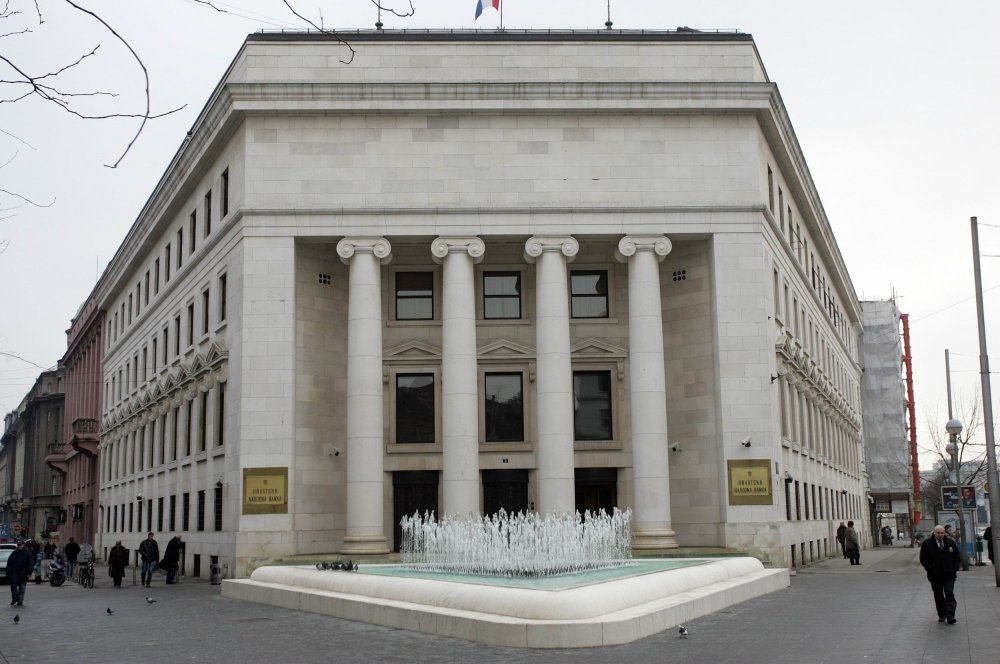

The recovery of the Croatian economy could begin later than expected, which would adversely affect growth this year, the Croatian National Bank (HNB) said on Friday in its latest report on economic trends.
A considerable drop in GDP in the final quarter of 2012 and reduced expectations of growth abroad indicate that recovery could begin later than expected and that will have a negative impact on the annual growth rate in 2013. At the same time, due to a further increase in unemployment and pay cuts, a drop in personal spending could be sharper than projected, and a planned budget revision would, among other things, reduce capital investments by the government, the report says.
Real GDP in Q4 was 1.2% lower than in Q3, while on the annual level, GDP was down 2.0%. Cumulatively, GDP had declined by slightly over 10% since 2008. For the third consecutive year Croatia had shown the poorest performance of all Central and Eastern European countries in terms of growth, HNB analysts say.
Unlike other components of aggregate demand, whose trends were unfavourable, exports of goods and services in Q4 continued to rise slightly, fuelled by exports of intermediary products, non-durable consumer goods, certain capital products and services.
The number of the employed dropped sharply in Q4, but the fall slowed down in January. The administrative unemployment rate exceeded 20% for the first time since 2003, and the survey unemployment rate, which in the first three quarters of 2012 reached 15.1%, is expected to grow.
The inflation rate dropped at the end of 2012 and start of 2013, indicating a decline in inflationary pressures. A fall in the annual rate of inflation is expected in the coming months.
HNB analysts expect a stable kuna-euro exchange rate as well as a further rise in public debt in 2013. They assess that the fiscal consolidation achieved in 2012 will not continue this year unless expenditures are substantially reduced by a budget revision.