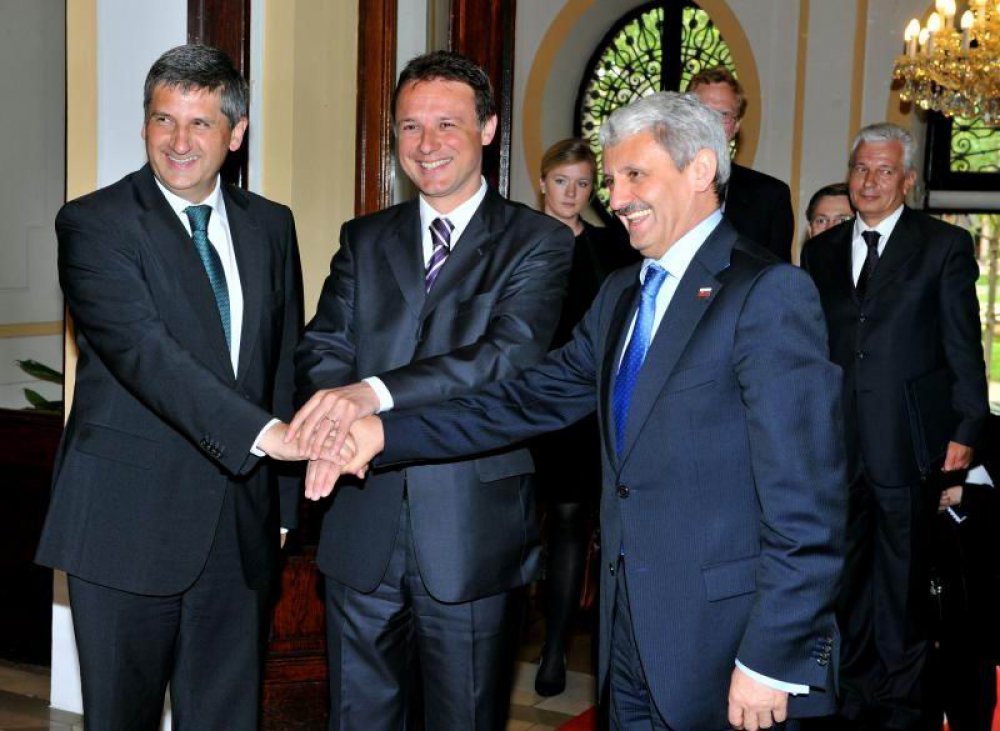

Continuation of structural reforms after the completion of accession negotiations with the European Union is a key long term challenge for Croatia, Slovakian Foreign Minister Mikulas Dzurinda has said in a commentary on the completion of the Croatia-EU talks, Vjesnik daily said on Monday.
Do not make the mistake of thinking that the modernisation of both the state and the economy is over, he said, adding that Slovakia's experience showed that it was good to continue with reforms, as it had helped his country use the full potential of being a new member and make quick progress.
EU membership will help Croatia to further modernise the state and the economy, and the country's infrastructure will be modernised thanks to European funds, Dzurinda said, adding that Croatian companies would become more competitive and more attractive to foreign investors.
EU accession created new jobs for Slovakians, new technologies for Slovakian companies and enabled quick modernisation of the country, which expects a 3.6 per cent growth this year and a 4.5 per cent growth in 2012, the minister said.
He stressed that Croatia was now one of the biggest successes in Southeast Europe and that this must remain so.
We need Croatia to be a positive example of future EU enlargement. You now have the obligation to succeed. Croatia is a reminder to others that difficult reforms and progress pay off. At the same time, you don't have the right to fail. That would provide ammunition to the Eurosceptics within the EU. That could be used against Serbia, Montenegro and others waiting in line, Dzurinda told Vjesnik.
He said that like Slovakia, Croatia was an example of the fact that political leadership was crucial for changes, and congratulated Croatian Prime Minister Jadranka Kosor on her leadership and courage.
Dzurinda recalled that in 2005, the Slovakian PM lobbied for granting Croatia EU candidate status and suggested to the European Council to invite Croatia, which was eventually accepted.
He voiced hope that Croatia, as a member of the EU, would define itself not only as a Mediterranean country but as part of Central Europe as well, saying that it could find friends, allies and inspiration there.