

Croatia's chief EU membership negotiator, Vladimir Drobnjak, said on Tuesday that the European Commission's latest annual progress report on Croatia was really good and that the country had made progress in all areas.
"This is a very good report and we are more than pleased with it. It notes Croatia's progress in each area of negotiation and assesses that Croatia meets the Copenhagen political and economic criteria," Drobnjak told Croatian Television in an interview broadcast on Tuesday evening.
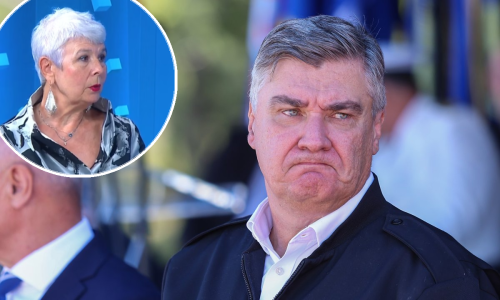
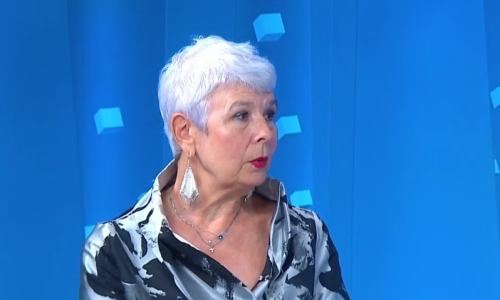
Drobnjak said that the most important thing was that the report stated that Croatia had continued to strengthen its capacity to fulfil the membership criteria. He said that the report did credit to all the people involved in the negotiating process, headed by Prime Minister Jadranka Kosor, and that it went a step further in the foreign policy area by giving high grades to Croatia's foreign policy, which is co-created by Kosor and President Ivo Josipovic.
Responding to the anchor's remark that Josipovic regretted that Croatia had not been given a specific date for the completion of membership talks, Drobnjak said that such a date could have been expected if it were a fifth round of EU enlargement.
He explained that he personally had not expected a date, because it had been said earlier that Croatia would be given it at the very end of the accession process, notably after the verification of the benchmarks for the key policy area -- Chapter 23 (Judiciary and Fundamental Rights). He recalled that the report clearly stated that Croatia had entered the final stage of negotiations.
Speaking of Chapter 23, Drobnjak said that progress had been recorded in that area as well, citing the fight against corruption. When asked if the EU expected Croatian anti-corruption prosecutors to catch "bigger fish", Drobnjak said he believed the EU was waiting to see the continuity of Croatian reform processes over the next few months.
Drobnjak said that Croatia was close to meeting the benchmarks in that chapter, adding that now there would follow a relatively complicated process of verification of all the benchmarks by the European Commission and member states. "The point is that this time member states want to be 100 per cent sure that an acceding country is completely ready."
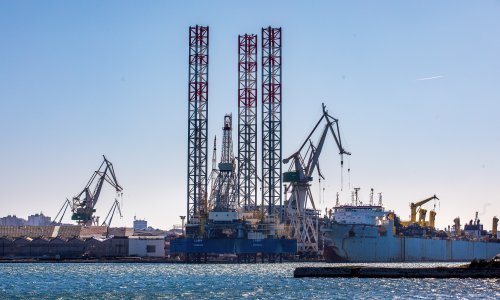
When asked if the state guarantees to the 3. Maj shipyard would "cost" Croatia, Drobnjak said that the plans for restructuring the Croatian shipyards, including 3. Maj, were being considered by the European Commission and that he personally was optimistic about the Competition Policy chapter, for which he said Croatia received a good grade.