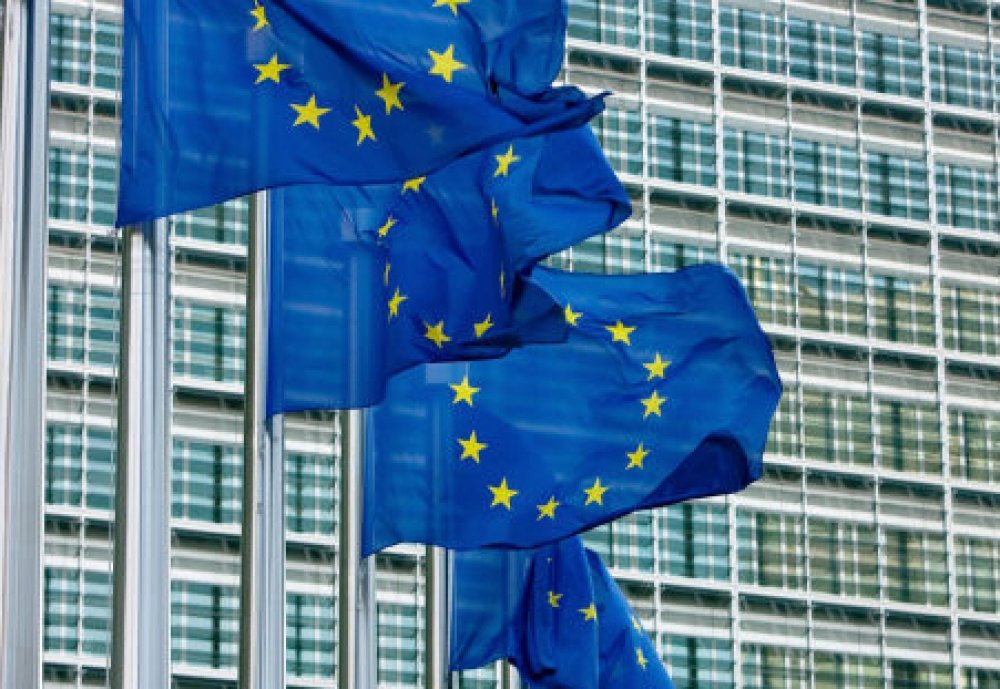

At an intergovernmental accession conference held at the ambassadorial level in Brussels on Friday, Croatia closed three more policy areas in its EU accession talks, obtaining important transitional periods.
Croatia closed negotiations in the policy area No. 4 - Free Movement of Capital, the policy area No. 14 - Transport Policy, and the policy area No. 34 - Institutions. The number of provisionally closed policy areas thus rose to 25, and the country now has nine policy areas to be closed, or ten if the policy area Other Issues is counted.
The policy areas Institutions and Other Issues are not negotiated because they do not contain any legislation to which national legislation should be adjusted.
In the Free Movement of Capital chapter Croatia was given an important transitional period which delays the free sale of farmland to EU citizens. Exemption from rules on free trade in farmland will last over a period of seven years from the day of Croatia's accession to the EU. After the expiry of the seven-year period, Croatia will be able to ask for another three years, but it will have to back its request with strong arguments.
In the policy area Transport Policy, Croatia was given important transitional periods that will enable Jadrolinija and other Croatian shipping companies to prepare better for strong competition on the single European market.
In regular shipping lines, Croatia was given a transitional period until 2016, and in charter transport it was given a transitional period until 2014.
The policy area Institutions defines how the future EU member-state will be represented in EU institutions.
Croatia will have 12 seats in the European Parliament and seven votes in the decision-making system in the European Council, and Croatian will become the 24th official language of the EU. Like other EU members, Croatia will have one commissioner in the European Commission, and one judge each at the European Court of Justice, the General Court and the European Court of Auditors.
Croatia's central bank governor will represent it in the European Central Bank, becoming a member of its Governing Council upon accession to the eurozone.