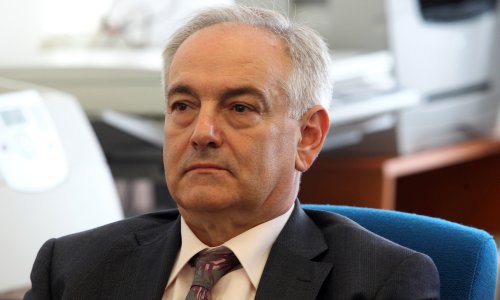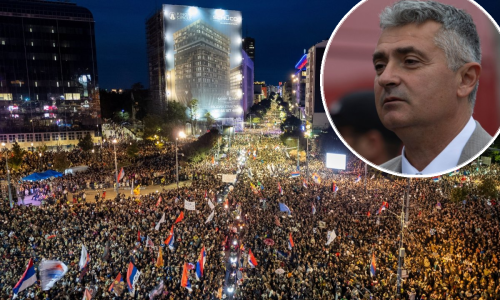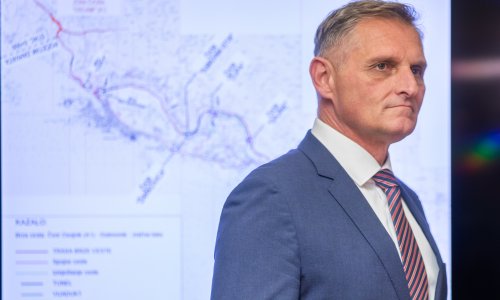
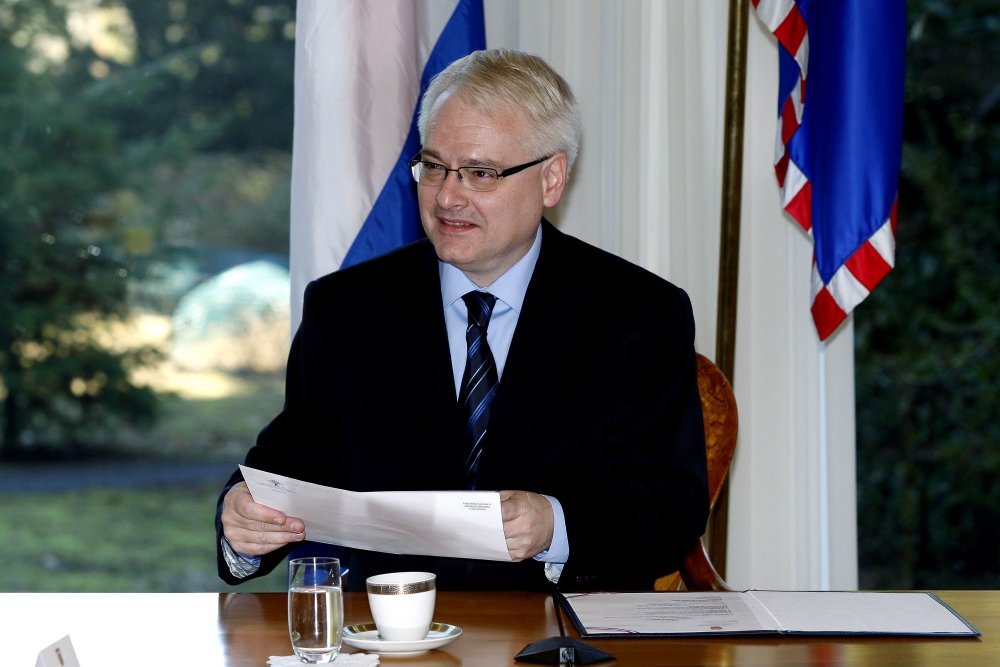

President Ivo Josipovic said during a visit to the eastern city of Osijek on Friday that Croatia was not in a state of emergency that would require calling a session of the National Security Council.
The President was addressing reporters after a ceremony that marked the 35th anniversary of foundation of the Faculty of Law in Osijek. When asked if he should convene the National Security Council following the latest developments surrounding former Prime Minister Ivo Sanader, Josipovic said the Council would meet by the end of the year, after a schedule has been determined.
When asked if he would request the resignation of Interior Minister Tomislav Karamarko, the President said he found it unacceptable that Sanader had crossed the border as he had, given that his case had been given so much attention in the media in the past year.
"Speaking of the omissions, steps that can be taken without lifting one's immunity were failed to be taken, and they could have been taken," Josipovic said, adding that he had confidence in Karamarko and that he believed the minister would take this opportunity to remove the existing problems.
"We spoke on the phone and I think our conversation was very constructive and beneficial. The aim was not that the minister or I, or any other state official, should argue, but to raise the level of efficiency of the entire system," he added.
When asked if immunity should be lifted for all types of crime, Josipovic said the institution of immunity was badly regulated in Croatia, "not just in the Constitution, but also in the Rules of Procedure of the Croatian Parliament," adding that it was time that the issue be regulated by a separate law, without changing the Constitution. He said that immunity should be applied without preventing the criminal prosecution of people who actually committed a criminal offence, urging Parliament and the government to consider this issue.
When asked if Croatia was in such a crisis that justified an early election to change the present situation, Josipovic said that "we no doubt have a crisis, which is not just an economic, but also political one, but it is not the President's duty to invoke early elections or to oppose them. It's a matter of the parliamentary situation and the understanding of the political forces with a majority in Parliament to decide the time for elections."