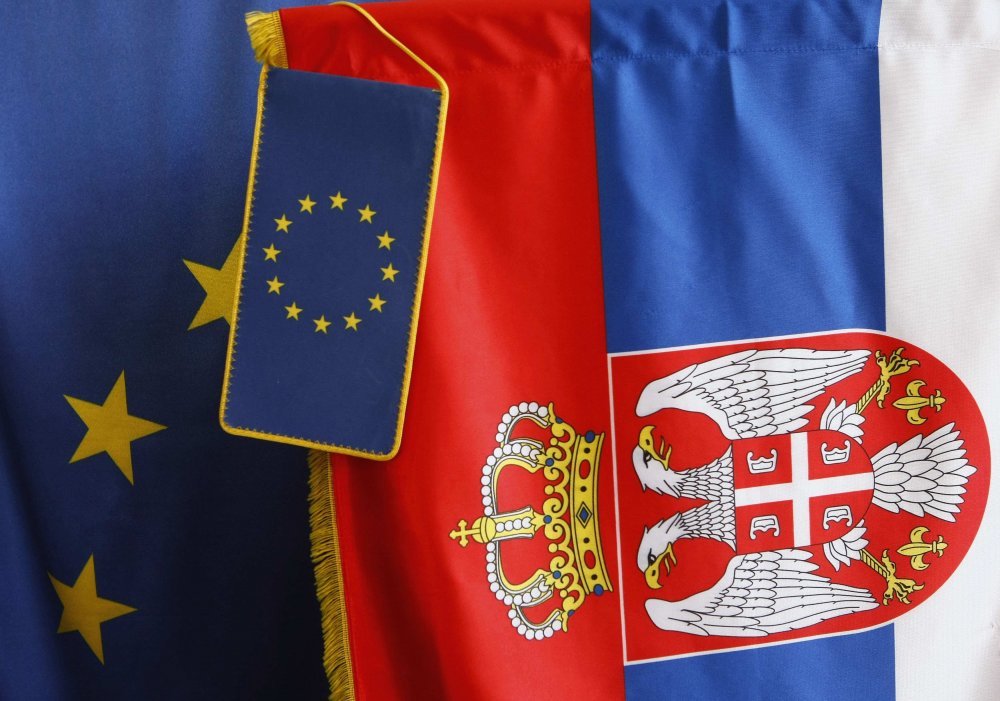

The European Union should open accession negotiations with Serbia as soon as possible and in return Serbia needs to improve its relations with Kosovo and maintain good relations with its neighbours, deputies of the European Parliament said on Wednesday, also advocating Kosovo's European future.
At a plenary session in Brussels on Wednesday afternoon, MEPs discussed a draft resolution on the progress of Serbia and Kosovo, the voting on which will take place on Thursday.
A majority of MEPs who took part in the debate stressed that the entry talks with Serbia, which received candidate status earlier this month, need to start as soon as possible, but that Serbia too must do its part and continue and intensify work on reforms in key areas, improve relations with Kosovo and maintain good relations with its neighbours.
The European Parliament's Rapporteur on Serbia, Jelko Kacin, said that the negotiations with Serbia should be opened if the new government, which will be formed after the May elections, remained committed to the European path.
I hope that the election campaign will not affect dialogue with Pristina. I believe that the country is ready for the beginning of the entry talks and if the new government shows it is committed to reforms and regional cooperation, the negotiations need to be opened as soon as possible. The Serbian government also must intensify efforts in fighting corruption, as the country is only at the beginning of that fight, and it needs to accelerate judicial reform, Kacin said.
Enlargement Commissioner Stefan Fuele welcomed the fact that a majority of MEPs advocated paving the way for Serbia to make further progress towards the EU and called on Belgrade to avoid opening new controversial issues, such as organising local elections in Kosovo, stressing the Serbia must refrain from such behaviour.
Several MEPs mentioned the issue of respect for human rights in Serbia.
Krisztina Morvai of Hungary accused Serbia of ethnic cleansing of the Hungarian minority, adding the Hungarians in Serbia were often exposed to attacks for speaking their own language. Commissioner Fuele was surprised to hear such accusations, saying that after hearing the expression "ethnic cleansing" he had to look around and check if this was indeed the year 2012 and that the debate was about Serbia.
In the debate on Kosovo, several MEPs welcomed the fact that the European Commission launched the proceedings aimed at drawing up a feasibility study on whether or not Kosovo was capable of launching the negotiations on contractual relations with the European Union.
Kosovo, whose independence is not recognised by five EU member states, is the only western Balkan country without any contractual relations with the EU and it is not yet clear how it can make progress in European integration processes, although the official position of Brussels is that Kosovo belongs in Europe and that it has European prospects.
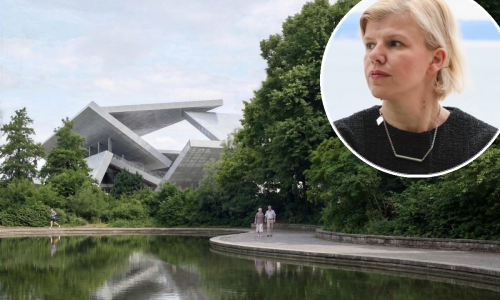
The European Parliament's Rapporteur on Kosovo, Ulrike Lunacek, called on Spain, Slovakia, Romania, Greece and Cyprus to recognise Kosovo's independence. Her call was included in the text of the draft resolution on which MEP are scheduled to vote on Thursday.