
Financial experts France Arhar and Zdravko Rogic, chosen by the Slovenian and the Croatian government respectively to help them solve the issue of Ljubljanska Banka, met in Otocac ob Krka, Slovenia, on Tuesday for the first time..
The two experts said they would compile a thorough list of developments until now concerning the Ljubljanska Banka issue and then offer a solution that would be to the satisfaction of both sides.
Rogic and Arhar said time had come for this issue, which has been hampering the two countries' relations for the past 22 years, to be resolved. They said they were optimistic about finding a solution in the near future that would be a win-win situation for both sides.
"Our objective is to do this quickly," Rogic told reporters after the meeting.
The new meeting is scheduled to tale place within two weeks.
The two experts are expected to propose a solution regarding the debt of the now-defunct Ljubljanska bank to Croatian clients as soon as possible.
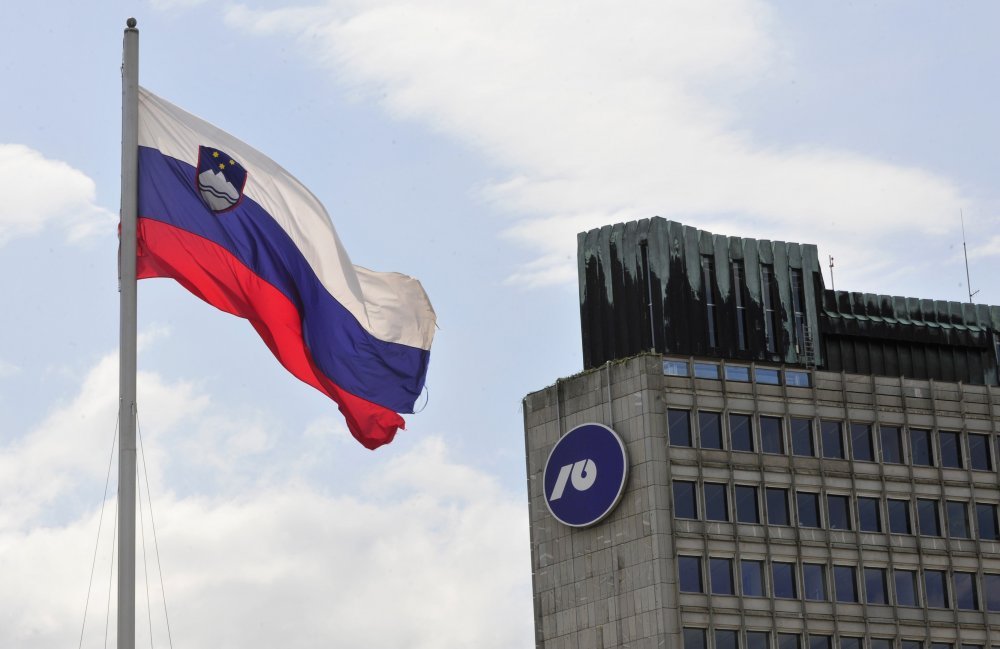
According to the Croatian National Bank (HNB), savings deposited by Croatian clients in Ljubljanska Banka amounted to EUR420 million, EUR260 million of which Croatia has included in its public debts and EUR160 million the remaining amount which Croatian clients are trying to get through lawsuits.
Rogic said that the Ljubljanska Banka issue should not be connected with Slovenia's ratification of Croatia's EU Accession Treaty, as Slovenian politicians had been announcing. These are separate matters and we want to resolve the Ljubljanska Bank issue so that we could move toward a join European future, Rogic said.
Arhar said, however, the Ljubljanska Bank issue was connected with the former Yugoslav countries' succession issue. This issue has not been resolved by the Vienna Succession Agreement, because it is not a simple problem, he added.
When it comes to moneys and the bank-client relations, the most important thing is restoring trust, Argar said. Rogic said that once Croatia entered the EU, the new Ljubljanska Banka would not face problems in doing business in Croatia, adding however, that it remained to be seen what kind of a reputation the bank would have after 22 years of non-trust, Rogic said advocating the restitution of trust between the two countries and their financial institutions.
Slovenia regards the issue of the savings in foreign currencies deposited in that bank as an issue from the succession to the former Socialist Federal Republic of Yugoslavia (SFRY) and deems the lawsuit to be unacceptable. Therefore, the Slovenian government has indirectly made the ratification of Croatia's European Union accession treaty conditional on the withdrawal of the lawsuits,
Croatia insists that this is a bilateral issue which has nothing to do with the ratification.
The European Commission believes that the issue of the Ljubljanska Bank debt towards Croatian clients is a bilateral issue between Croatia and Slovenia and hopes the ratification of Croatia's Treaty of Accession with the European Union will be completed in time so that Croatia can enter the European Union on 1 July 2013 as planned.