
There is no need to change the law because of the Dragan Paravinja case, but "agreements between the countries in the region on the extradition of their citizens can perhaps be expanded," Croatian Justice Minister Drazen Bosnjakovic said on Tuesday.
Croatia has extradition agreements with Serbia and Montenegro and is preparing them with Macedonia and Bosnia and Herzegovina, but they refer to organised crime and corruption, so they should be examined to see how they can be expanded, Bosnjakovic told reporters.
A member of the press said nobody in Croatia could do anything to perpetrators of crimes from other countries who could not be extradited because they held Croatian citizenship, but Bosnjakovic disagreed, saying Croatia had many agreements on the execution of sentences handed down by other countries.
He said that had Croatia been requested to carry out the prison sentence handed down against Paravinja in Serbia, Croatia could have done it in accordance with the agreement between the two countries, but added that no formal request had been made.
Bosnjakovic said Croatia would request Paravinja's extradition upon receiving documentation from the relevant court, which could happen in the next few days.
"I expect the extradition plea to be granted because, unfortunately, the crime which occurred (in Croatia) is the gravest," he said.
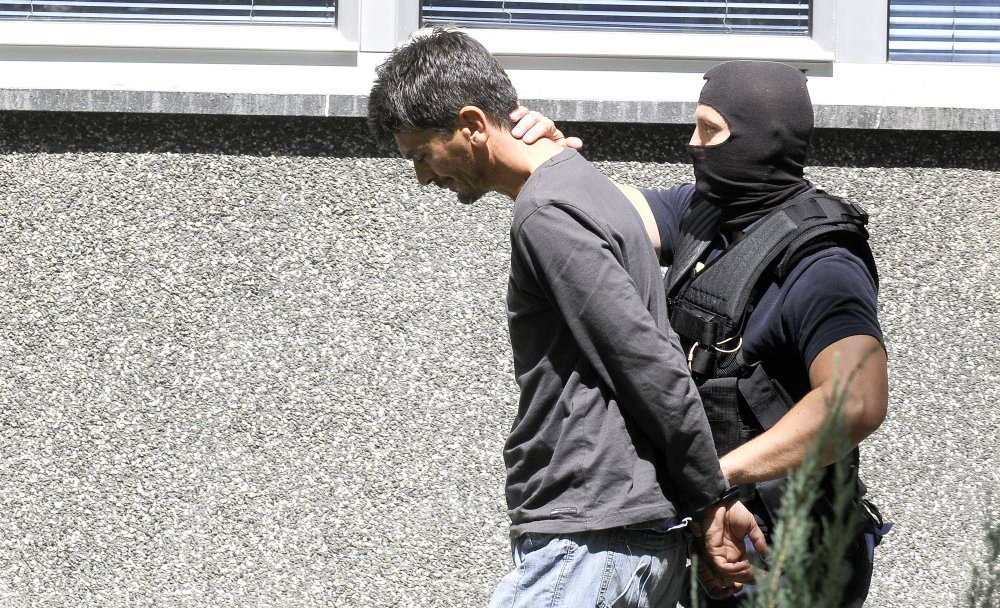
Paravinja, 42, is suspected in Croatia of recently killing 17-year-old Antonia Bilic to cover up his attempt to rape her. Her body has not been found yet. He is also suspected of attempting to rape a 25-year-old hitchhiker in Croatia in June 2010. In Serbia, he was convicted to four and a half years in jail for rape and attempted rate. In Bosnia and Herzegovina, he has been accused of attempted rate.
Speaking to the press in Sarajevo, Bosnian Security Minister Sadik Ahmetovic said Bosnian police agencies had made no omissions that would have enabled Paravinja to avoid being held to account for his crimes.
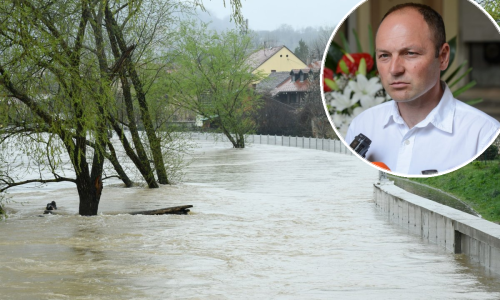
He said that according to information from the Bosnian border police, Paravinja did not legally cross the Bosnian border but illegally, by swimming across the Sava river. He added, however, that all the circumstances of Paravinja's entry into Bosnia would be examined.
Ahmetovic said the cooperation between the Croatian and Bosnian police forces in arresting Paravinja was excellent.
East Sarajevo's district attorney's office confirmed that Paravinja was accused of raping a girl in the Pale area in July 2002. A court in Sokolac scheduled a hearing in the case a number of times, but Paravinja never showed up. At the request of the district attorney's office, the court issued an arrest warrant and set detention for him in August 2005.
Based on the Sokolac court's order, Paravinja was yesterday transferred from Banja Luka to a prison in East Sarajevo.
Court spokeswoman Dragana Macar told press the main hearing in the Paravinja case could be expected within eight days.
Bosnian Justice Ministry said today that if Paravinja was indicted for murder in Croatia, the Bosnian judiciary could extradite him before the proceedings in Sokolac were over, in which case he would be tried for both crimes in Croatia.
Serbia will also request Paravinja's extradition, but its justice minister said yesterday that Serbia would agree with European conventions on transferring the accused to the country in which he committed the gravest crime.