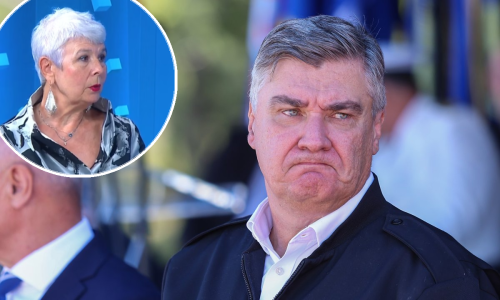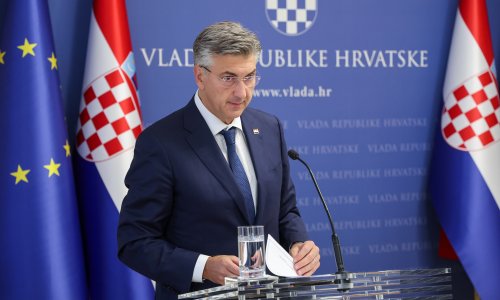
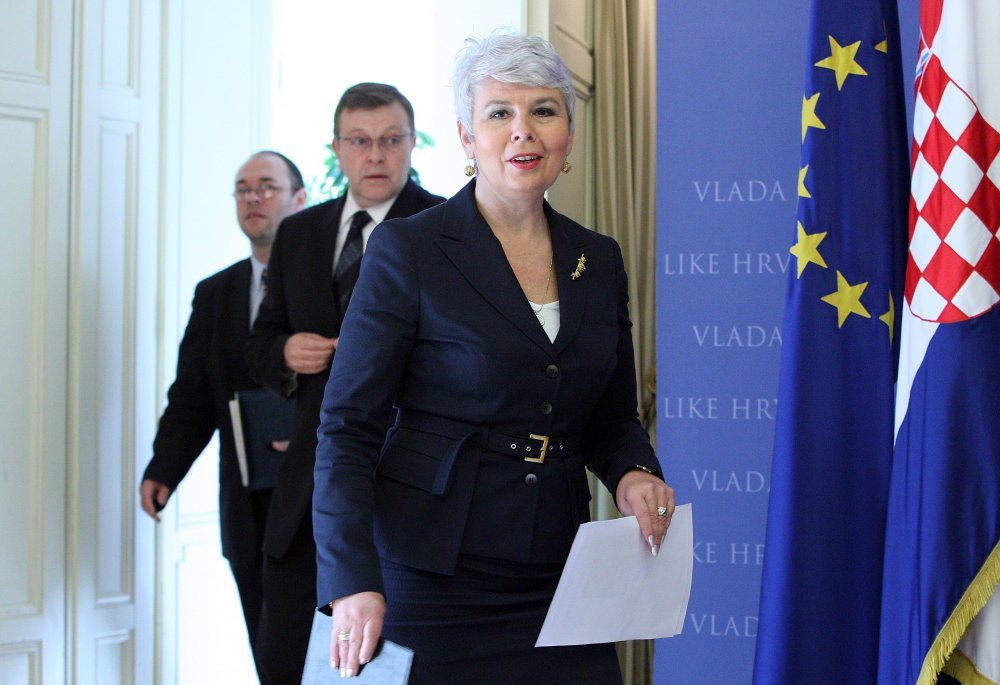

Croatian Prime Minister Jadranka Kosor said in a late night news broadcast on Croatian Television on Friday that she intended to meet with Croatian National Bank governor Zeljko Rohatinski to discuss the issue of Slovenia's Ljubljanska Banka and that she would probably also have a phone conversation on the matter with Slovenian PM Borut Pahor next week.
Kosor said that she talked with Pahor after the June 6 referendum in Slovenia on the ratification of the Croatian-Slovenian border agreement and that he made no mention of a possible new blockade of Croatia's EU entry talks over Ljubljanska Banka, adding that at their previous meetings they publicly underlined on several occasions that all remaining outstanding issues between the two countries, including Ljubljanska Banka, were on the table and would be discussed and dealt with slowly, but successfully.
Slovenian Foreign Ministry spokesman Milan Balazic said on Thursday that Slovenia would make its green light to the provisional closing of the still unopened policy chapter on market competition within Croatia's EU accession negotiations conditional on the possibility of Ljubljanska Banka operating in Croatia and that Croatia's position on the issue was questionable also from the aspect of the negotiating chapter on the free movement of capital.
Commenting on this, PM Kosor said that she received information that the situation would not unfold as stated by Balazic, but as agreed between her and Pahor.
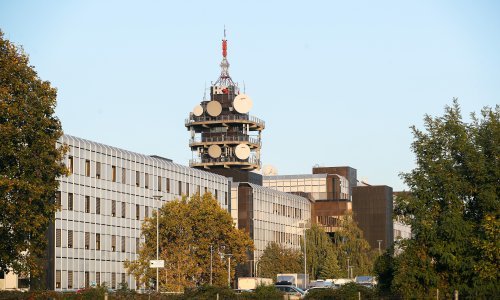
When asked if there was room for a compromise regarding the announced reduction of the subscription fee to Croatian Radio and Television (HRT), Kosor said that she would most probably receive representatives of the HRT Directorate on Monday or Tuesday to discuss the issue once again.
She said that she believed that further talks were possible, but recalled that the government's programme for economic recovery, the purpose of which was to help both the business sector and citizens, included the goal of abolishing or cutting non-tax levies.
The government's decision of Thursday is in line with that, Kosor said, adding that a lot of such measures had already been taken.
When asked if the government's decision to cut the HRT subscription fee was final, Kosor said that some kind of agreement was always possible, considering the situation the HRT was in.
She also said that work was under way on a new law on the HRT that would regulate its funding and supervision and create room for "what the HRT is and must be - a public broadcaster promoting primarily national interests."