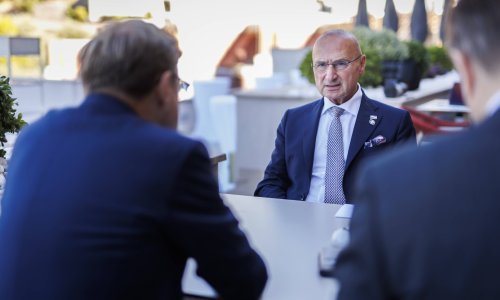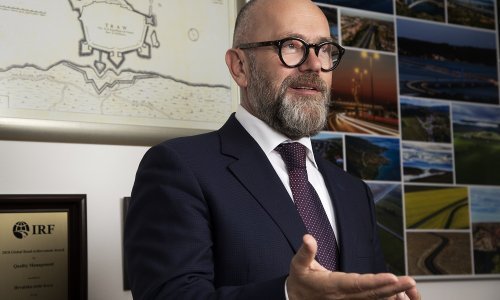
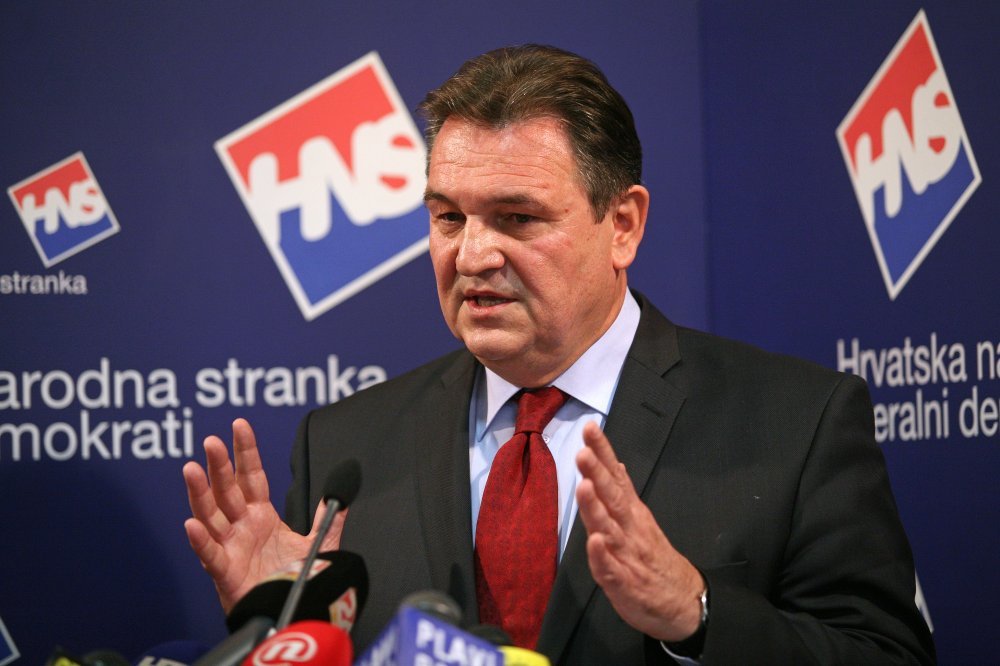

Croatian People's Party (HNS) president Radimir Cacic on Thursday spoke of tourism, energy, railway infrastructure and environment as four strategic levers of growth which by the end of 2015 could draw investment projects worth EUR 15-17 billion for the country's long-term sustainable economic development.
Addressing a news conference, Cacic said that the national economy and society as a whole were "going down", that the economy lacked the strength to recover and that it needed an infusion of foreign capital, notably from European structural funds which, he said, would ensure return on investment and leave Croatia with a basis for sustainable development.
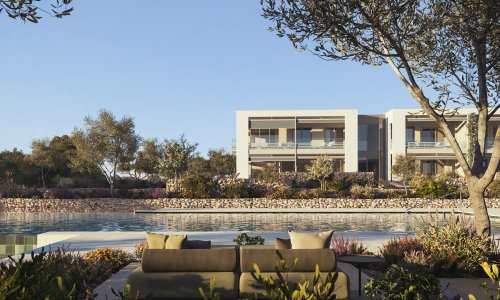
Speaking of tourism as the first lever of growth, Cacic said that the potential of the tourism industry was being used insufficiently and that tourism revenues were on the decline. He proposed investing in a dozen attractive projects from Brijuni in the northern Adriatic to Prevlaka in the south, including in land, infrastructure and state-owned property. This could result in more than EUR 2 billion worth of investments from investment funds, the European Bank for Reconstruction and Development, and private Croatian investors, he said.
Cacic believes that foreign investors are also very much interested in making investments in the energy sector, notably in utilising close to 50 percent of unused water potential in the hydro-electric power plants of Virje, Senj, Kosinj and Dubrovnik.
Croatia should not give up on the Druzba Adria project or on the projects to build a liquefied natural gas terminal in Omisalj and connect to the South Stream gas pipeline, he said.
Croatia must use the advantages of its geo-strategic position and attract investments to upgrade the pan-European corridor X, as well as build corridor Vb Budapest-Rijeka. The investments would cost up to EUR 4.5 billion, 85 percent of the amount would be ensured from EU funds and the remaining 15 percent would be provided by the government, he said.
The fourth lever of growth consists of a set of projects for waste management and its transformation into energy, for water protection and water supply, and for waste water treatment, which would also be financed from EU funds and for which the European Commission has set aside EUR 3.5 billion for 2012 and 2013, and another EUR 2.5 billion for 2014 and 2015.
"Those are huge funds, we just have to show the ability to use them," Cacic said, calling on the government and other interested parties to discuss the said projects.