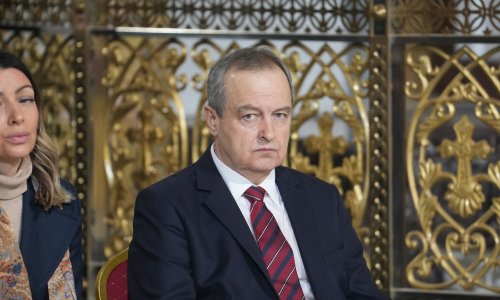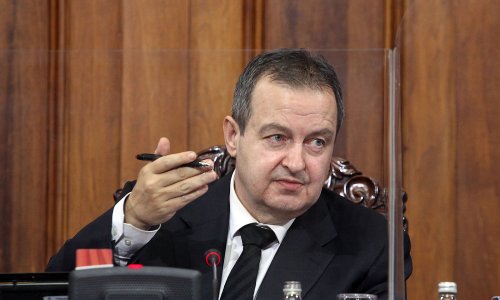
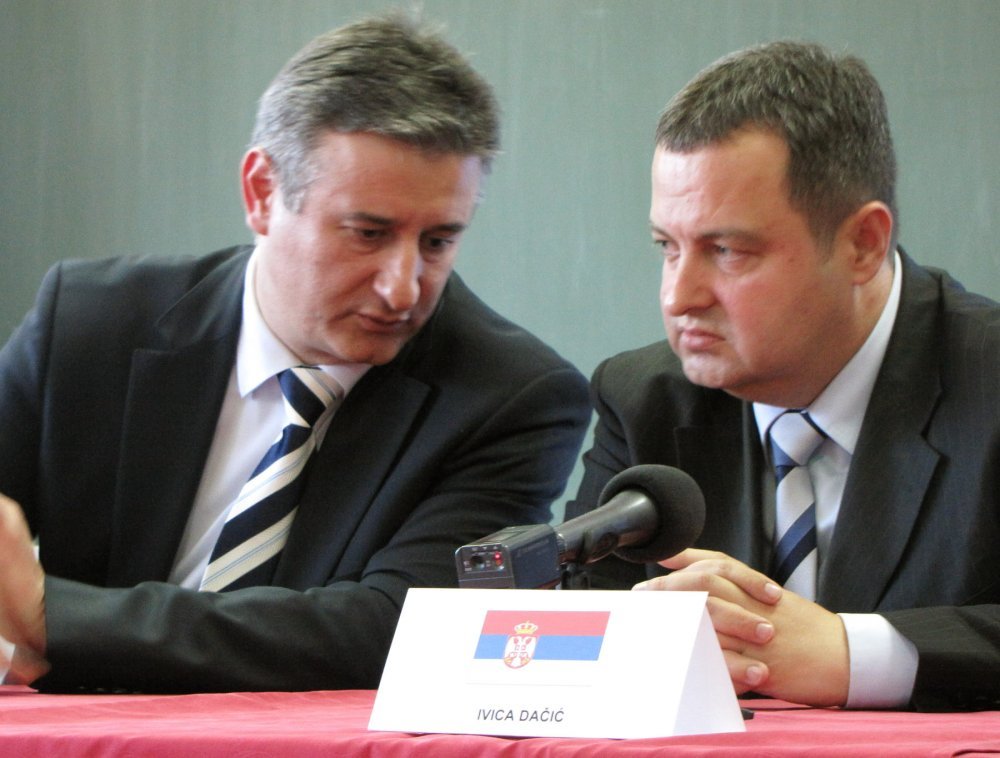

Croatian and Serbian interior ministers Tomislav Karamarko and Ivica Dacic had a meeting in Bajakovo on Wednesday, at which the directors of the Croatian and Serbian police forces signed a protocol on the establishment of a joint contact service at the Bajakovo-Batrovci border crossing.
The contact service will be based on the Croatian side of the border and is expected to be launched over the next month.
Karamarko said the Croatian and Serbian police forces had been cooperating extremely well for two years and that the protocol was a continuation of that cooperation.
"We started from the realisation that we can stop the evil of international organised crime only through very good cooperation," he said, adding the two countries' criminal underworlds often acted as one.
Karamarko said the signing of the protocol was an introduction to the establishment of a joint centre for combating crime and terrorism.
Serbian Minister Dacic said he was pleased with the protocol, adding that the two ministries and police forces had played a "pioneering role in the establishment of better relations between the two states."
Dacic said the two police forces had cooperated well even when Croatian-Serbian political relations were not enviable.
He underlined that other countries in the region were also interested in cooperating with the future centre against organised crime.
"Today, the two police forces are completely open to the exchange of all operational data on crime, corruption and terrorism as well as other acts within the remit of the interior ministries," Dacic said, adding that Bajakovo-Batrovci was Serbia's most important border crossing, accounting for about 40 per cent of all crossings, "the right place to stop a whole series of criminal activities."
Dacic said fighting organised crime was not possible without the cooperation of police forces, other security services and state attorney's offices.
"Eighteen thousand passengers, 5,000 cars, 850 trucks and 140 buses cross the border (at Bajakovo-Batrovci) every day," he said, adding that 100 kilos of narcotics, including 88 kilos of cocaine and six of marijuana, as well as 15,000 narcotic tablets were seized at this crossing in the first 11 months of this year.