
The European prospects of the countries in Southeast Europe remain open and European Union enlargement continues, participants in a panel on enlargement, held as part of Croatia Summit 2011 in the southern Adriatic resort of Dubrovnik, concluded on Saturday.
Croatia's success is an incentive to the countries in Southeast Europe and encourages them in their bid to reach the next level of European integration, said Croatian Foreign Affairs and European Integration Minister Gordan Jandrokovic.
In order to avoid problems in the integration of the region's countries, as well as fatigue in member countries, it is imperative that all countries stick to their commitments, because it is the only way to achieve the next European enlargement round, which is our common interest and goal, said Jandrokovic.
The EU's openness to new members from Southeast Europe is an important guarantee of a positive outcome of the transition in the region. The negotiating process is demanding and envisages comprehensive and thorough adjustments and reforms, but it is also the fastest and most effective way for the countries in the region to transform into countries founded on the rule of law, respect for human rights, the market economy and enterprise, participants in the panel concluded.
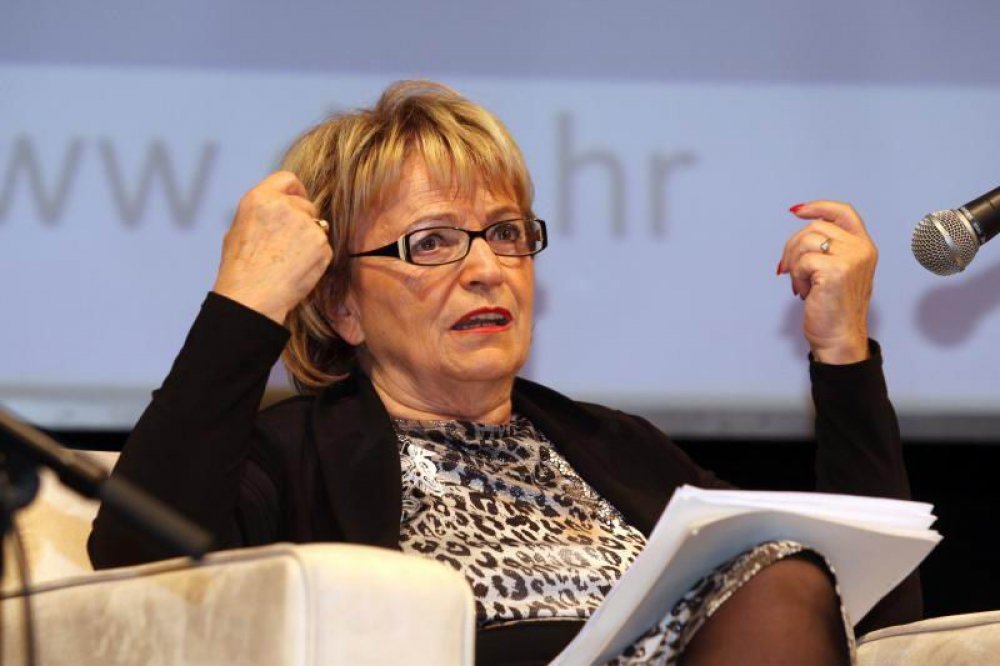
Doris Pack, a member of the European Parliament and its rapporteur on Bosnia and Herzegovina, said the EU had failed in Bosnia.
We have failed in the fight against some events and politicians, she said, adding the Dayton peace agreement was good for ending the war, but it was not easy to live in accordance with it.