
No Planet B

Indija se sprema u potragu za mineralima na dnu Indijskog oceana, evo što ih čeka

23.07.2024 u 10:24

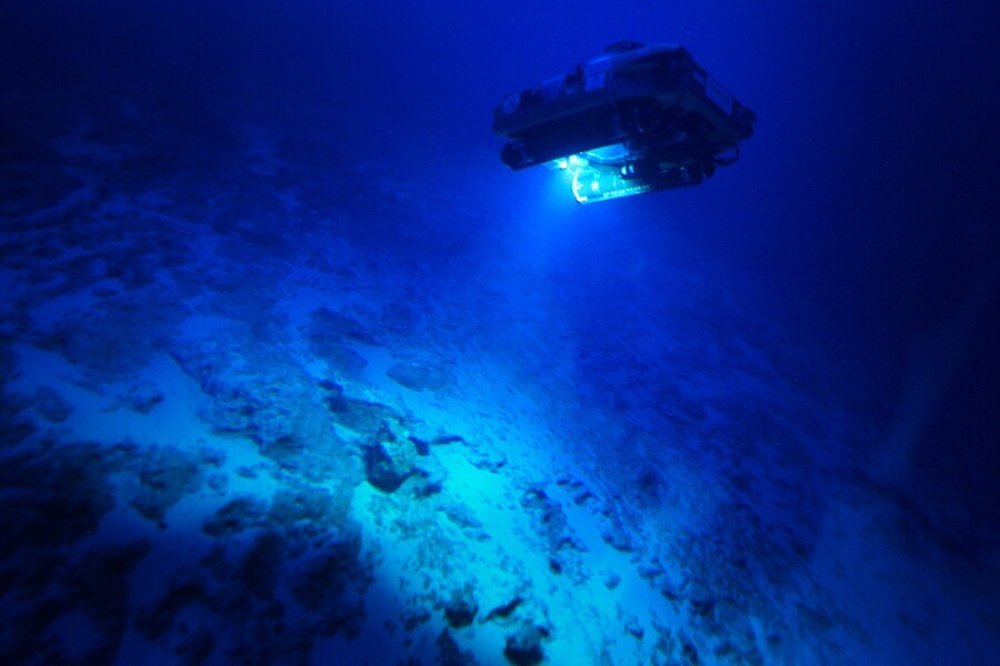
A handout picture taken in 2016 and released by ocean research institiute Nekton in London on February 6, 2019, shows a submersible working above the seabed off the coast of Bermuda. A mission to explore uncharted depths in the Indian Ocean was launched on Wednesday, hoping to discover hundreds of new species and find out what impact plastic is having way below the surface. The First Descent expedition, led by British-based ocean research institute Nekton, is set to send submersibles as deep as 3,000 metres off the Seychelles from March to test the health of the ocean. The project was launched at the Commonwealth headquarters in London. “The mission is focusing on 30 metres down to 3,000 metres. This is where you get the peak diversity of species,” said Professor Alex Rogers, part of the scientific team.,Image: 412437710, License: Rights-managed, Restrictions: RESTRICTED TO EDITORIAL USE – MANDATORY CREDIT  ” AFP PHOTO / NEKTON / HANDOUT”  –  NO MARKETING NO ADVERTISING CAMPAIGNS   –   DISTRIBUTED AS A SERVICE TO CLIENTS
To go with AFP story by Robin MILLARD, ***
HANDOUT image or SOCIAL MEDIA IMAGE or FILMSTILL for EDITORIAL USE ONLY! * Please note: Fees charged by Profimedia are for the Profimedia’s services only, and do not, nor are they intended to, convey to the user any ownership of Copyright or License in the material. Profimedia does not claim any ownership including but not limited to Copyright or License in the attached material. By publishing this material you (the user) expressly agree to indemnify and to hold Profimedia and its directors, shareholders and employees harmless from any loss, claims, damages, demands, expenses (including legal fees), or any causes of action or allegation against Profimedia arising out of or connected in any way with publication of the material. Profimedia does not claim any copyright or license in the attached materials. Any downloading fees charged by Profimedia are for Profimedia’s services only. * Handling Fee Only
***, Model Release: no, Credit line: HO / AFP / Profimedia

A handout picture taken in 2016 and released by ocean research institiute Nekton in London on February 6, 2019, shows a submersible working above the seabed off the coast of Bermuda. A mission to explore uncharted depths in the Indian Ocean was launched on Wednesday, hoping to discover hundreds of new species and find out what impact plastic is having way below the surface. The First Descent expedition, led by British-based ocean research institute Nekton, is set to send submersibles as deep as 3,000 metres off the Seychelles from March to test the health of the ocean. The project was launched at the Commonwealth headquarters in London. “The mission is focusing on 30 metres down to 3,000 metres. This is where you get the peak diversity of species,” said Professor Alex Rogers, part of the scientific team.,Image: 412437710, License: Rights-managed, Restrictions: RESTRICTED TO EDITORIAL USE – MANDATORY CREDIT ” AFP PHOTO / NEKTON / HANDOUT” – NO MARKETING NO ADVERTISING CAMPAIGNS – DISTRIBUTED AS A SERVICE TO CLIENTS To go with AFP story by Robin MILLARD, *** HANDOUT image or SOCIAL MEDIA IMAGE or FILMSTILL for EDITORIAL USE ONLY! * Please note: Fees charged by Profimedia are for the Profimedia’s services only, and do not, nor are they intended to, convey to the user any ownership of Copyright or License in the material. Profimedia does not claim any ownership including but not limited to Copyright or License in the attached material. By publishing this material you (the user) expressly agree to indemnify and to hold Profimedia and its directors, shareholders and employees harmless from any loss, claims, damages, demands, expenses (including legal fees), or any causes of action or allegation against Profimedia arising out of or connected in any way with publication of the material. Profimedia does not claim any copyright or license in the attached materials. Any downloading fees charged by Profimedia are for Profimedia’s services only. * Handling Fee Only ***, Model Release: no, Credit line: HO / AFP / Profimedia Autor: No Planet B

Bionic
Reading

Indija planira zatražiti dozvolu za istraživanje minerala na dnu Tihog oceana kako bi osigurala opskrbu ključnim sirovinama za tehnologije energetske tranzicije, rekao je vodeći vladin znanstvenik M. Ravichandran.

Međunarodna agencija za morsko dno (ISA) izdala je 31 dozvolu za istraživanje minerala u dubokom moru i Indija je ishodila dvije za Indijski ocean.

UN-ova agencija još ne izdaje dozvole za rudarenje budući da još radi na propisima. ISA-ino vijeće sastat će se do kraja srpnja na Jamajci kako bi razmotrilo najnoviji prijedlog kodeksa za rudarenje u dubokom moru.

Indijsko ministarstvo za znanost o Zemlji blisko će surađivati s domaćom rudarskom industrijom koja će iduće godine podnijeti zahtjev za istraživanje minerala na dnu Tihog oceana, rekao je Ravichandran.

New Delhi do sada nije planirao tragati za mineralima u Tihom oceanu, napominje Reuters. Kina, Rusija i neke otočne države Tihog oceana već su pribavile dozvole.

Indija se planira usredotočiti na zonu Clarion-Clipperton na potezu između Havaja i Meksika, dokazano bogatu grumenjem s mineralima poput mangana, nikla, bakra i kobalta.

Formiranje krumpirastih grumenova traje milijun godina, a prvi su ih otkrili britanski mornari davne 1873. godine, napominje Reuters.

‘Još nismo spremni

Za razliku od Kine, Indija još nije razvila tehnologiju rudarenja na morskom dnu i trebat će najmanje tri do četiri godine da bude spremna za vađenje, tvrde stručnjaci.

“Puno smo radili na tehnologiji rudarenja u dubokom moru, ali je nismo usavršili. Gledano iz te perspektive, još nismo spremni”, kaže bivši dužnosnik indijskog ministarstva za znanost o Zemlji M. Rajeevan.

Kritičari pak upozoravaju još nije dovoljno poznato kako rudarenje utječe na morske ekosustave.

“Nisam siguran da današnje tehnologije i metode mogu otkloniti zabrinutost za okoliš”, rekao je stručnjak za oceane na Istraživačkom institutu za održivost u Potsdamu Pradeep Singh.

Gotovo 30 zemalja zatražilo je moratorij na rudarenje na morskom dnu, a zagovornici uključuju skupinu pacifičkih država, uključujući Nauru i Cookove otoke. Očekuje se da će Nauru krajem godine od ISA-e u ime kanadske tvrtke The Metals Company zatražiti dozvolu za rudarenje.

Od zlata do kobalta

Indija pak očekuje da će od ISA-e do kraja godine dobiti još dvije dozvole za istraživanje na dnu Indijskog oceana, u regijama Carlsberg Ridge i Afanasy-Nikitin Seamount, poznatima po ležištima polimetalnih sulfida i skromnijim nalazištima feromangana, rekao je Ravichandran.

Dozvole se izdaju na razdoblje od 15 godina, stoji na internetskoj stranici ISA-e.

Ležišta polimetalnih sulfida sadrže metale poput bakra, zlata, srebra i cinka. Nalazišta feromangana obično pak sadrže kobalt, nikal, mangan, platinu i lantanoide, ključne sirovine za tehnološki sektor.

Indija uglavnom uvozi bakar i litij, a skupini od 24 minerala dodijelila je status “ključnih” sirovina za energetsku tranziciju. 

I.Ba./Hina, Foto: HO / AFP / Profimedia