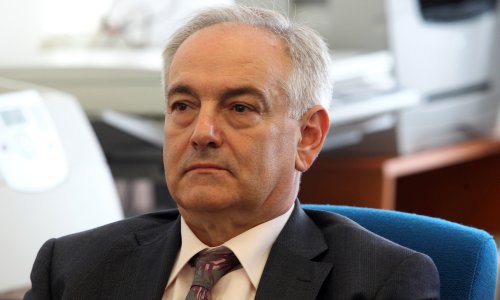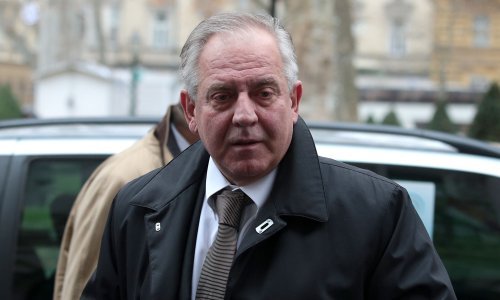

Former Croatian Prime Minister Ivo Sanader's lawyer Goran Suic said on Monday that an Austrian prosecutor had unfrozen Sanader's bank accounts in Austria, frozen during an Austrian investigation into money laundering, after finding that nothing illegal had been done in that case.
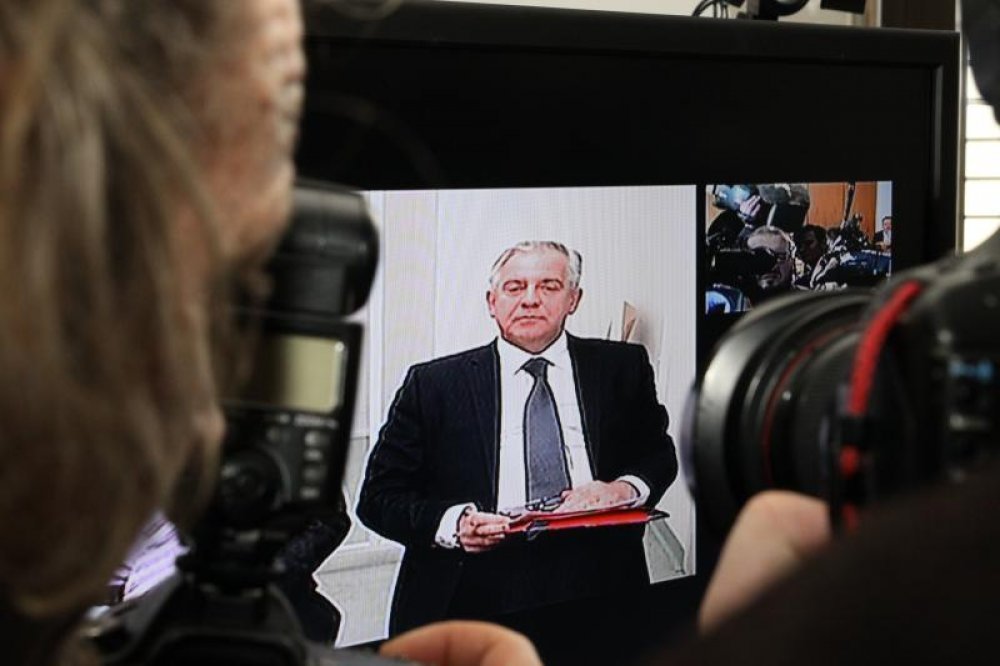
Suic was speaking to Croatian Radio, after a court in Salzburg earlier on Monday approved Sanader's extradition to Croatia. He said Sanader took the extradition decision well.
Sanader's attorney from Vienna, Werner Suppan, announced an appeal, claiming that Sanader would not have a fair trial in Croatia, according to the Austrian news agency APA.
The appeal will be submitted to the High Provincial Court in Linz, which will then render its decision. Until then, Sanader is to remain in custody in Salzburg.
Sanader has been in custody in Salzburg since December 10, when he was arrested on a warrant issued by Croatia.
The Croatian judiciary suspects him of abuse of office. He is charged with having syphoned tens of millions of kuna from public companies and ministries via the private company Fimi Media. He is also charged with receiving kickbacks amounting to HRK 3.5 million for the approval of a loan which Hypo bank gave to the Croatian government while he was Deputy Foreign Minister.
The Croatian anti-corruption agency USKOK is also investigating his role in illegal deals between the Croatian state-owned power company HEP and the Dioki company.
Sanader is also being investigated, together with Dioki owner Robert Jezic, over suspicions that they tried to ensure an unlawful gain of EUR 10 million for Jezic's company, specialised in petrochemicals and plastics production, at the expense of the state-run JANAF oil pipeline operator.
Suppan's announcement of an appeal could postpone the final extradition decision for several weeks.
The president of the Salzburg Provincial Court, Hans Rathgeb, said at today's hearing there existed legal prerequisites for Sanader's extradition to Croatia, after the Croatian judiciary last week delivered the documents based on which it requested the transfer.
The court refused to release Sanader from custody, concluding he poses a flight risk.
Sanader has said earlier that he would like to be tried in Austria, believing that in Croatia he would not have a fair trial in terms of the convention of human rights, Suppan said, adding that the extradition decision shocked Sanader but that he would continue fighting.